

Research
Sensors turn everyday signals into far more than they were meant to reveal, about people, machines, and the networks that link them. We design the sensing systems and interpretable models that turn those signals into decisions, and we weigh what that costs in reliability, privacy, and trust. Fundamentally, we investigate research questions oriented to how much information a signal truly carries, who can extract it, and what it takes for an inference to hold. These questions span the areas below.
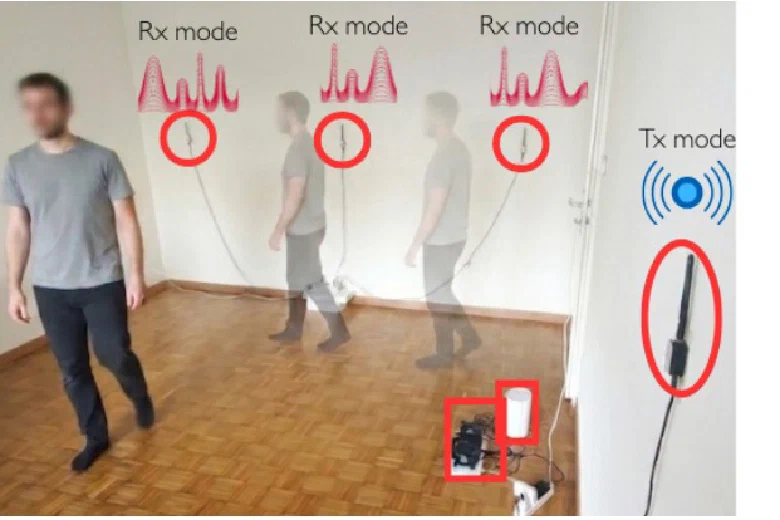
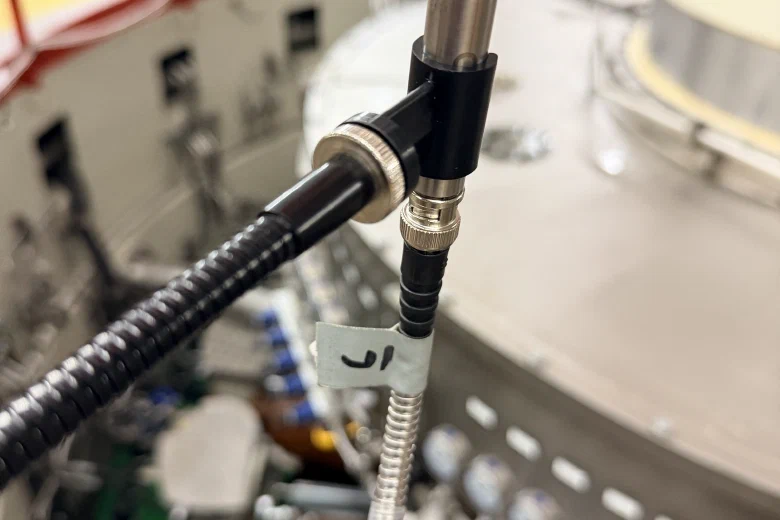
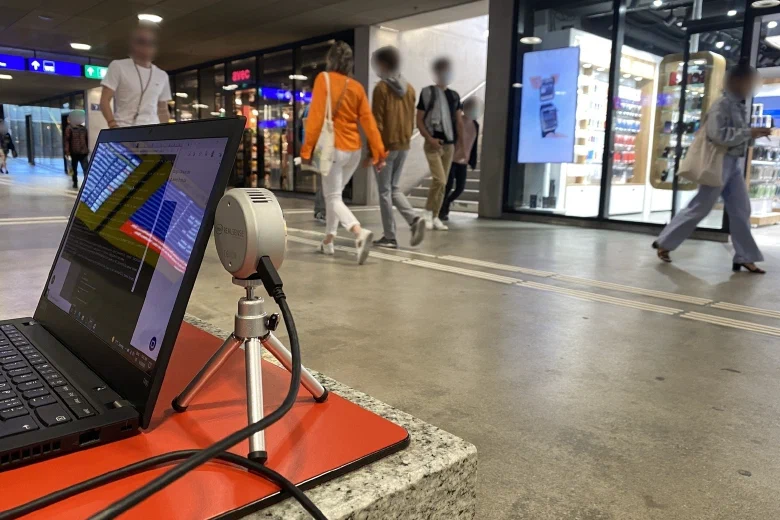
Passive & physical-layer sensing
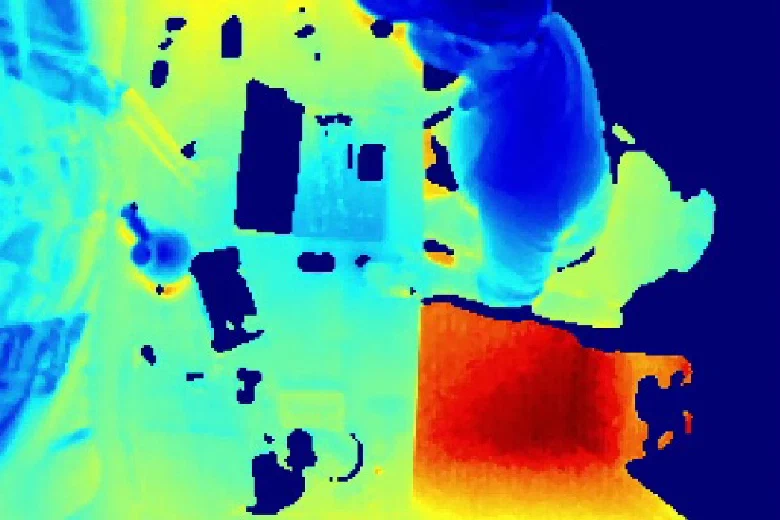
Reading the Wi-Fi, RF, acoustic, and vibration signals a space already carries to understand people, activity, and machines, and finding the limits of what each modality can reveal.
Read more →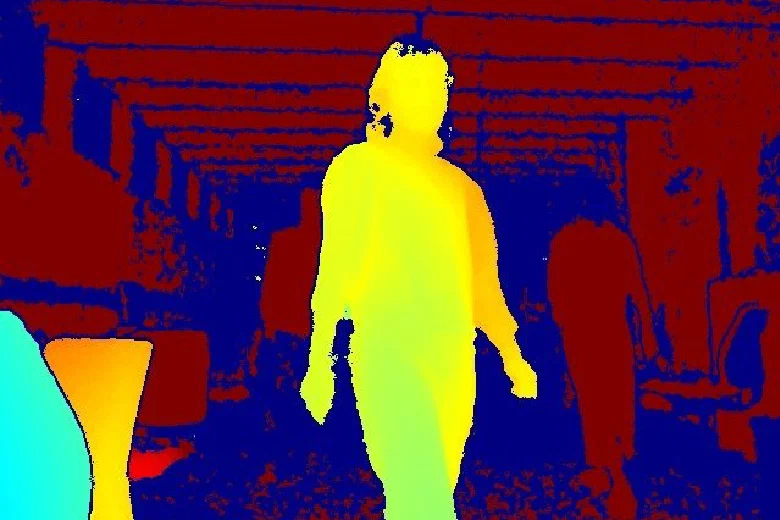
Privacy in cyber-physical systems
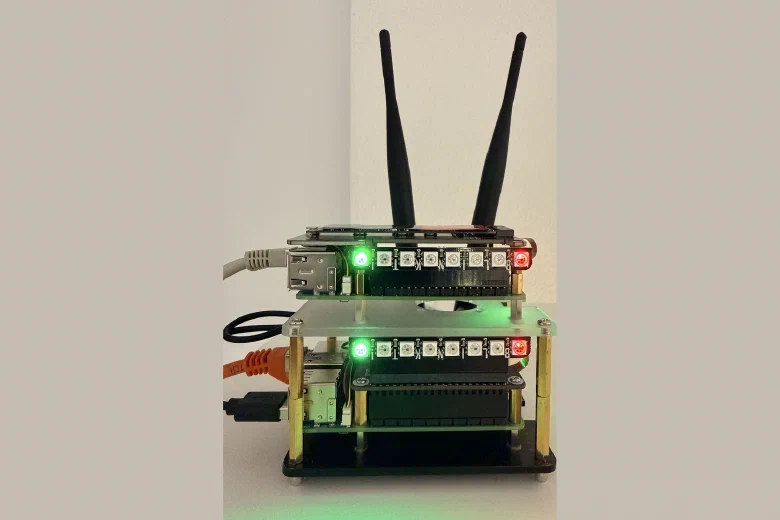
We investigate what wireless and sensor systems fundamentally leak, and how to design architectures that keep inference private, on-device, and under the user's control.
Read more →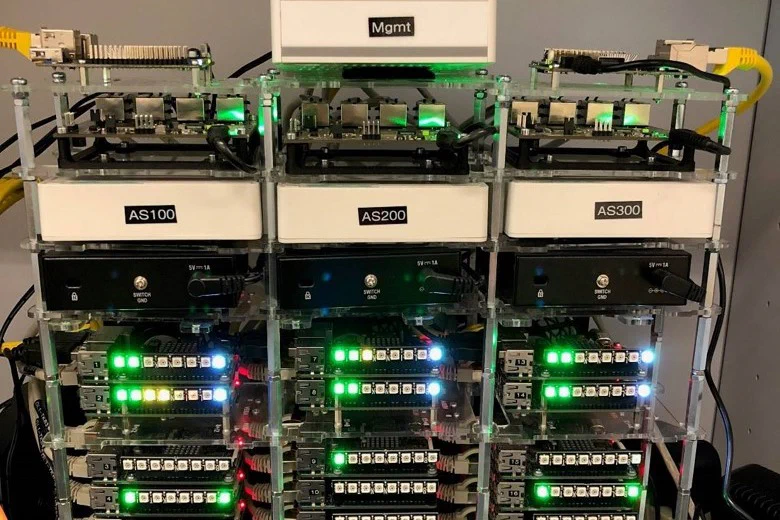
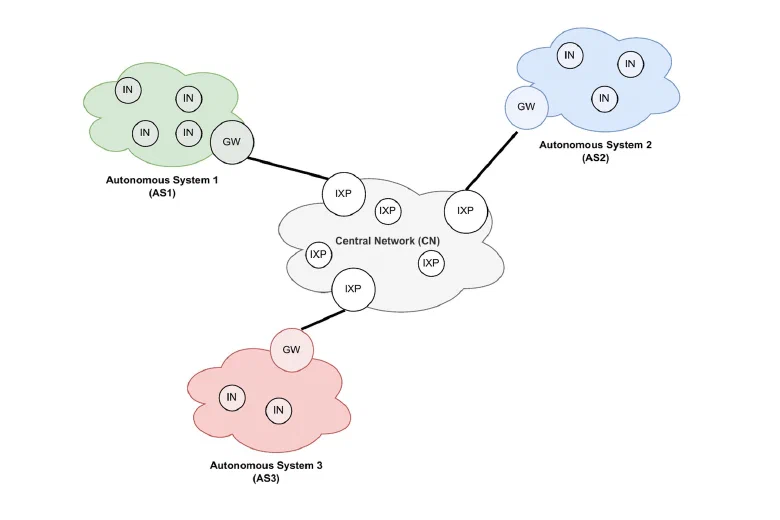
Network & systems security
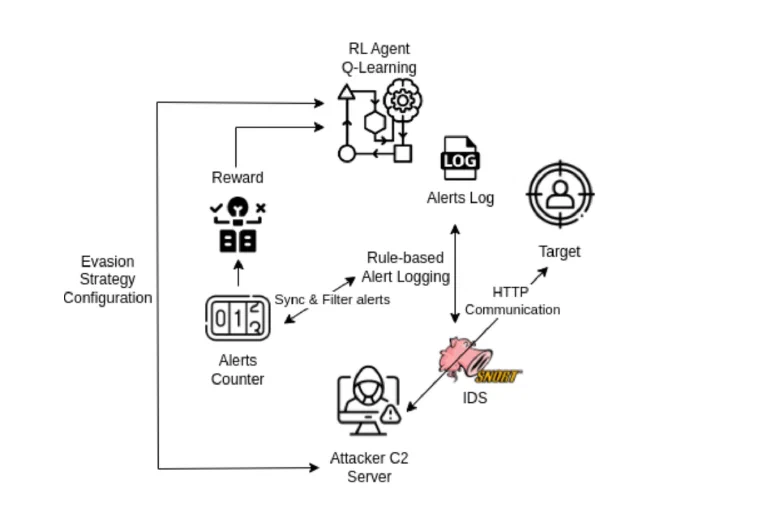
Turning the partial, distrustful views of independent parties into reliable collective defence with no central authority, from cooperative DDoS mitigation to resilient off-grid communication.
Read more →Current projects
- Institute of Computer Science in Vorarlberg (ICV-HSG) Since 2024 · Land Vorarlberg, illwerke vkw & Vorarlberg industry
Previous projects
Selected concluded projects the group builds on.
- PasWITS: Passive Wireless Intelligence Tracking System 2020 to 2022 · Innosuisse
- H2020 CONCORDIA: Cyber Security Competence for Research and Innovation 2019 to 2022 · European Commission
- BC4CC: Blockchain Cold Chain Monitoring 2018 to 2019 · Swiss KTI
- E2C: Energy Efficiency to Clouds 2015 to 2016 · Laboratory of Sustainability (USP), with Ericsson Research
- SOS: Sustainability-Oriented SDN Policies 2014 to 2015 · University of São Paulo (USP), with Ericsson Research