

Privacy in cyber-physical systems
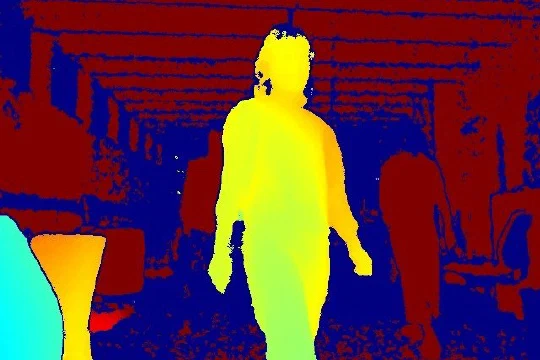
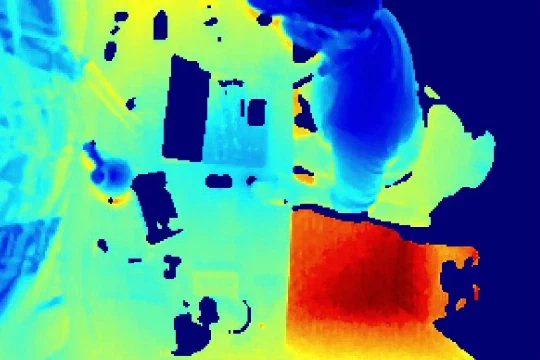
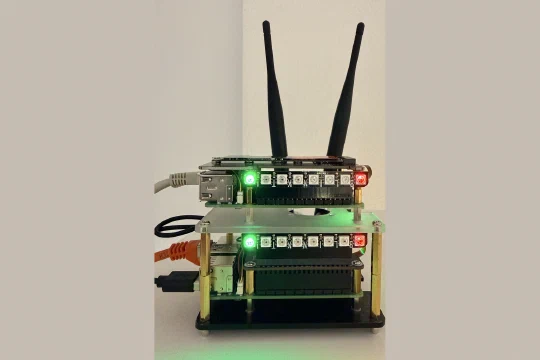
Sensing is fundamentally a double-edged sword. The same signals that make cyber-physical systems useful across a range of applications inevitably expose sensitive information at the physical and link layers. A header, an advertising packet, or an acoustic frame emits structural data long before any high-level privacy policy applies. We study both sides of this dynamic: how much information a system fundamentally leaks, and how to build sensing architectures that remain highly capable without degrading into surveillance.
On one front, we explore the inference boundaries of seemingly innocuous signals. Rather than focusing on payload data, our research quantifies how low-level metadata and raw signal features can inadvertently broadcast intimate physiological and behavioral markers. We focus on keeping these inferences interpretable and strictly local, ensuring that data minimization, auditability, and consent are enforced by the system’s architecture rather than relying on policy promises.
In parallel to understanding these vulnerabilities, we develop mechanisms that empower individuals to expose and resist covert sensing. In environments saturated with surrounding smart devices (i.e., ubiquitous), our work explores how to detect malicious tracking, stalking behaviors, and unauthorized surveillance using only link-layer characteristics. Our guiding philosophy throughout this research line is privacy by physics: because the most critical leakage is anchored at the signal layer, that is exactly where privacy must be modeled, reasoned about, and fundamentally guaranteed.
Selected publications
- Towards Interpretable Depression Detection: Linking Acoustic Features to DSM-5 Indicators 2026
- CareNet: Linking Home-router Network Traffic to DSM-5 Depressive Behavior Indicators 2026
- Tracking Trackers: ML-based Personal Tracker Detection in Crowded IoT Environments 2026
- Demo: Tracing a DSM-5 Depression Assessment from Score to Formula on Edge Hardware 2026
- Smart Shielding: Using ML and AirTag RSSI Data for Better Privacy 2025